

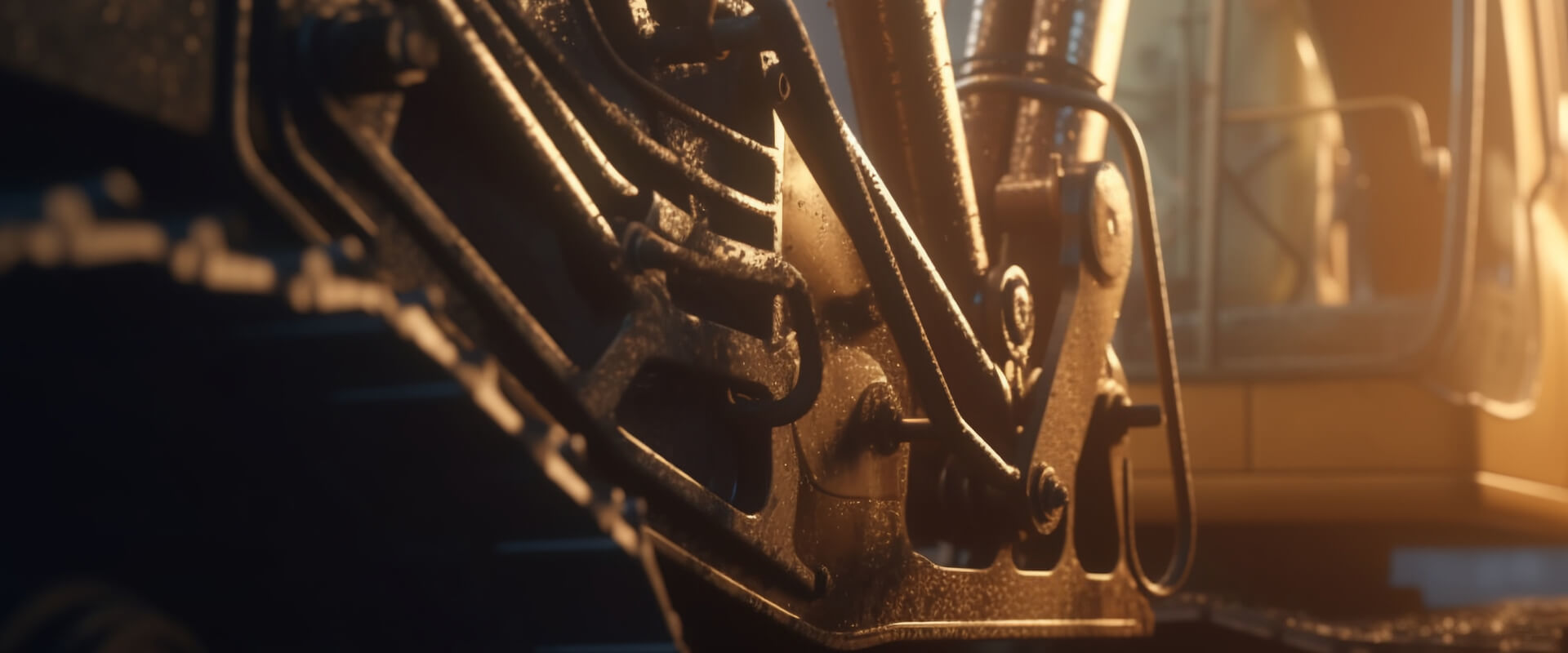
Building high-end emergency rescue equipment in China
Building high-end emergency rescue equipment in China
Multi-functional Remote Control Vehicle: Intelligent Power for Modern Special Operations
所属分类:
Release time:2026-04-14
source:
author:
Multi-functional Remote Control Vehicle enables safe and efficient operations in hazardous environments, featuring modular design, advanced remote control, strong mobility, and reliable performance for rescue and industrial tasks.
Redefining Remote Mobility in Complex Environments
The Multi-functional Remote Control Vehicle represents a new generation of intelligent engineering equipment designed for operations in hazardous, complex, and hard-to-reach environments. Unlike conventional machinery that requires onboard operators, this vehicle is controlled remotely, allowing operators to maintain full command while staying at a safe distance. It is widely used in disaster response, fire rescue support, demolition assistance, industrial inspection, and military or security-related scenarios where safety and precision are critical.
Built on a rugged tracked platform, the vehicle is engineered to handle uneven terrain, rubble, mud, and confined spaces. Its modular design allows it to integrate multiple functional attachments such as lifting arms, rescue tools, transport modules, and surveillance systems. This adaptability makes it not just a transport device, but a versatile operational platform capable of performing multiple mission types under changing conditions.

Advanced Control and System Integration
At the core of the Multi-functional Remote Control Vehicle is a high-precision remote operation system. Using wireless communication technology, operators can control movement, steering, and functional modules in real time. The system is designed with low-latency response, ensuring that every command is executed smoothly and accurately even in challenging environments such as smoke-filled disaster zones or structurally unstable areas.
In addition, integrated camera systems and sensor arrays provide real-time environmental feedback. This allows operators to assess terrain conditions, identify obstacles, and make informed decisions without physical exposure to danger. Some configurations also support night vision and thermal imaging, further extending operational capability in low-visibility conditions.
The vehicle’s hydraulic and electric systems are carefully coordinated to deliver stable power output. Whether lifting heavy debris or transporting equipment, the system maintains balance and efficiency, ensuring consistent performance across different operational tasks.
Engineering Innovation for Real-World Demands
The development of the Multi-functional Remote Control Vehicle is driven by real operational challenges faced in emergency and industrial environments. One of its key innovations lies in its modular architecture. Instead of being limited to a single function, the vehicle can be rapidly reconfigured depending on mission requirements. This reduces the need for multiple specialized machines and improves deployment efficiency in time-critical situations.
Another important innovation is its reinforced tracked chassis. Designed with high-strength alloy materials, the structure ensures stability under heavy load conditions while maintaining maneuverability in narrow or uneven terrain. The suspension system is optimized to absorb shock and vibration, improving durability and extending service life.
Environmental adaptability is also a major focus. The vehicle is engineered to operate in extreme temperatures, high humidity, dust-heavy environments, and other harsh conditions. Sealed electrical systems and protective coatings help prevent corrosion and component failure, ensuring long-term reliability in field operations.
Manufacturing Excellence Behind Performance
Behind every Multi-functional Remote Control Vehicle is a strict and highly controlled manufacturing process. The production begins with precision frame fabrication, where high-strength steel is cut, welded, and reinforced under computerized monitoring systems. Structural components undergo stress analysis to ensure they can withstand dynamic loads during real operations.
Hydraulic systems are assembled in clean-controlled environments to avoid contamination, ensuring smooth and stable fluid performance. Each hydraulic cylinder and valve system is tested individually before integration. Electrical systems are installed with strict wiring standards to ensure electromagnetic compatibility and operational safety.
Every completed vehicle undergoes multi-stage testing, including mobility tests, load-bearing simulations, remote control range verification, and endurance trials on different terrain types. These tests are designed to replicate real-world operating conditions, ensuring that each unit meets strict reliability standards before delivery.
Quality Philosophy and Service Commitment
Beyond engineering and manufacturing, the philosophy behind the Multi-functional Remote Control Vehicle is centered on reliability, safety, and long-term operational value. The focus is not only on building equipment that performs well initially, but also on ensuring sustained performance over years of demanding use.
Customization is also a key part of the service approach. Different industries require different configurations, and the vehicle can be adapted accordingly—whether for rescue operations, industrial logistics, or hazardous environment inspection. This flexible approach ensures that each client receives a solution tailored to their specific operational needs.
The manufacturer also emphasizes continuous technical support and collaboration. From initial consultation to post-deployment service, the goal is to ensure that users can fully utilize the vehicle’s capabilities in real-world applications.
For organizations seeking advanced remote-controlled mobility solutions, direct communication with the manufacturer can provide deeper technical insight, configuration guidance, and customized system planning based on specific mission requirements.
RELEVANT DOCUMENTS
Related information

CONTACT US
TEL:+86-15308526758、+86-13078521618
+86-18785138377、+86-15185117573
E-MAIL:jonyang@jonyang.com
Address: No. 97, Caozhong Road, Guiyang, Guizhou Province, China
Official WeChat
Tiktok
Video Channel